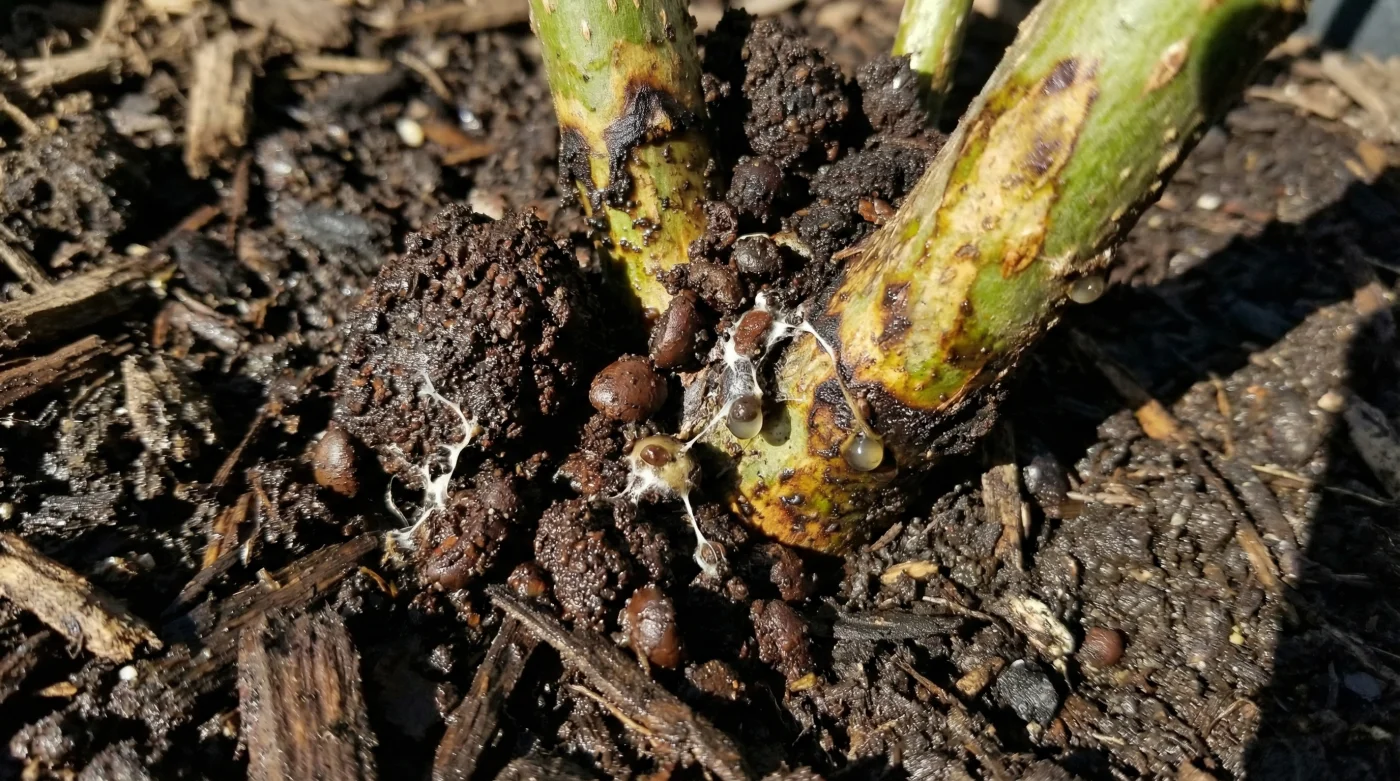
The morning ritual is universally comforting. You scrape the damp, dark clump of leftover French press dregs into a bowl, step out into the cool April air, and flick them around the base of your hydrangeas. The rich smell of roasted beans mixes with wet mulch. It feels like a zero-waste triumph, a secret handshake with nature that promises those elusive, brilliant blue blooms by July.
For decades, well-meaning neighbors and glossy magazine columns have repeated this exact piece of advice. You are told that acid-loving plants crave the remnants of your morning roast. Yet, while you wait for a vibrant summer display, a slow chemical burn is silently taking hold beneath the soil surface.
The truth hidden in the dirt is far less romantic than the garden lore suggests. Those raw, wet grounds are packed with unspent caffeine and chlorogenic acid. Instead of gently lowering the soil pH, they create a highly concentrated, toxic crust. The very organic matter you assumed was nourishing the plant is actively suffocating its fragile feeder roots before the season even begins.
By the time the first heat wave hits, the damage reveals itself through stunted growth and browned, crispy leaf edges. You might assume the plant just needs more water, but the roots are already scorched by a well-intentioned routine.
The Acid Myth and the Slow Burn
Think of your hydrangea’s root system like a delicate sponge absorbing room-temperature water. Dumping raw coffee grounds directly over them is akin to forcing them to swallow boiling vinegar. The gardening community has long confused the concept of acidity with toxicity. Yes, hydrangeas thrive in slightly acidic soil to absorb aluminum, which dictates their blue color. But unwashed grounds are an unfinished product, a harsh raw material that shocks the microscopic life trying to support your shrub.
When scattered directly on the ground, the fine particles interlock and dry into an impenetrable shield. Rainwater sheets right off this crust, completely starving the root zone of both moisture and oxygen.
Beyond the physical barrier, there is a severe biological cost. As raw grounds decompose on the surface, they demand massive amounts of nitrogen from the surrounding dirt to fuel the microbial breakdown. They steal the exact nutrient your hydrangea desperately needs to produce lush, green foliage. Instead of feeding the plant, the coffee triggers a desperate competition for resources in the topsoil.
Here lies the fascinating perspective shift. The raw intensity of coffee grounds is not inherently bad; it is just severely misplaced. When you treat those leftover grounds as a potent raw composting ingredient rather than a finished fertilizer, their destructive heat transforms into a phenomenal garden asset.
Enter Clara Higgins, a 62-year-old soil microbiologist and master rosarian operating out of the damp, mossy Willamette Valley. Seven years ago, Clara nearly killed a fifty-year-old heirloom lacecap hydrangea by aggressively top-dressing it with buckets of waste from a local cafe. She put her own soil under the microscope to see what went wrong. Clara discovered that caffeine is a natural allelopathic chemical, a defense mechanism the coffee plant uses to suppress competing seeds from germinating. When applied fresh to hydrangeas, it temporarily poisons the soil microbiome.
Her research proved that the magic only happens after the grounds undergo a rigorous biological breakdown. Only then does the aggressive acid neutralize completely, leaving behind a beautiful, nitrogen-rich humus that acts like a multivitamin for blooming shrubs.
Soil Types and the Caffeine Tax
Not every yard reacts to raw coffee in the same way. The severity of the root burn depends entirely on what kind of earth you are working with. Understanding your specific dirt composition dictates how quickly you need to intervene if you have been guilty of the morning dump routine.
For the clay-heavy yard, the situation escalates rapidly. Clay soils already struggle with drainage and air circulation. Adding a layer of fine, wet grounds creates a slick mud seal that completely locks out necessary oxygen, causing the fleshy hydrangea roots to rot in mere weeks.
- Dawn dish soap ruins protective coatings on hardwood floors
- Major hardware chains pull Roundup weed killer from shelves
- Cedar mulch attracts invasive termites to suburban home foundations
- New federal appliance regulations target specific gas stove models
- White vinegar permanently etches granite countertops within ten minutes
For the container gardener, raw coffee is an immediate death sentence. Potted environments are closed biological loops. The concentrated caffeine cannot flush away into the surrounding earth, effectively trapping roots in toxic sludge that stunts any hope of summer blooming and burns the delicate vascular tissues of the plant.
The 90-Day Brewing Cycle
To actually harness the benefits of your morning roast without torturing your landscaping, you must adopt the patience of a proper composter. The fix is remarkably simple, but it requires a strict adherence to timing and ratios. You are shifting from an active dump-and-run tactic to a mindful, minimalist curing process.
Never let raw grounds touch living stems. Instead, you must run them through a complete, ninety-day composting cycle before they are safe for your hydrangeas.
Set up an isolated curing bin or a designated corner of your primary compost pile. You are aiming for a specific ratio that balances the heavy, wet nitrogen of the coffee with dry carbon materials. Think of it like baking; the proportions must be respected so the microbial oven can hit the right temperature without suffocating.
Here is your tactical toolkit for safe processing. Gather your raw materials and strictly follow these temperature and time thresholds to safely burn off the allelopathic chemicals.
- The Golden Ratio: Mix one part unwashed coffee grounds with four parts dry brown matter, such as shredded cardboard, dead leaves, or untreated sawdust.
- The Washing Alternative: If you must use them sooner to break up soil, steep the used grounds in a bucket of water for 48 hours, strain them, and discard the acidic water before adding the washed grounds to the earth.
- The Heat Benchmark: Ensure your compost pile reaches an internal temperature of at least 135 Fahrenheit for five consecutive days to properly break down the chlorogenic acid.
- The 90-Day Rule: Let the mixture sit and cure for exactly three months. The finished product should smell like a forest floor after a spring rain, with zero trace of roasted coffee.
Cultivating True Soil Health
Moving away from instant hacks forces a beautiful, grounding realization about how our outdoor spaces actually function. We are often conditioned to treat plants like machines, assuming we can just insert the right ingredient and watch a perfect blue flower pop out. But gardening is a conversation, not a transaction.
When you stop treating your flower beds like an organic trash can, you begin to respect the biological timeline that dictates true, resilient growth.
Aging your grounds forces you to slow down. It pulls you out of the frantic rush for immediate aesthetic gratification and aligns you with the slow, deliberate pace of the seasons. You are no longer just trying to force a plant to bloom; you are meticulously building an ecosystem that wants to support life from the microscopic level upward.
The reward for this patience is undeniable. When summer finally arrives, you will not find yellowed leaves or stunted stems, but thick, vibrant floral heads supported by an invisible, thriving root network below the soil.
A garden is not a place to hide our household waste; it is a living stomach that requires its meals properly prepared and thoroughly cooked by time. — Clara Higgins
| Application Method | Biological Impact | Added Value for the Reader |
|---|---|---|
| Raw Surface Dumping | Creates a hydrophobic crust; caffeine burns delicate feeder roots. | Avoid this completely to prevent immediate plant distress and save your summer blooms. |
| Washed & Steeped | Removes surface acids and caffeine, rendering grounds neutral. | A safe, fast-track method if you need organic matter to break up heavy clay immediately. |
| 90-Day Composted | Transforms into rich, bio-available humus loaded with safe nitrogen. | The gold standard for long-term soil health, ensuring massive, vibrant flowers year after year. |
Frequently Asked Questions
Can I sprinkle just a tiny bit of fresh coffee around my plants? Even small amounts can clump and form a water-resistant barrier over time. It is always better to route them through your compost bin first to ensure you are feeding the soil rather than sealing it.
Will composted coffee grounds still make my hydrangeas turn blue? Composted grounds are actually closer to a neutral pH by the time they finish breaking down. To guarantee deep blue blooms, you need to apply aluminum sulfate to your soil, not just organic matter.
What if I already dumped raw coffee on my hydrangeas this morning? Take a hand trowel and gently scrape the fresh grounds off the topsoil immediately. Afterward, water the base thoroughly to flush and dilute any acids that may have already leached into the upper dirt layer.
Does decaf coffee still pose a threat to plant roots? While decaffeinated coffee obviously has less caffeine, it still contains harsh chlorogenic acid. Furthermore, it will still create a physical, oxygen-blocking crust if dumped raw onto your garden beds.
How do I know when the coffee compost is finally safe to use? Trust your senses. The compost should crumble easily in your hand, hold moisture like a wrung-out sponge without being slimy, and smell entirely like rich forest earth rather than a morning cafe.